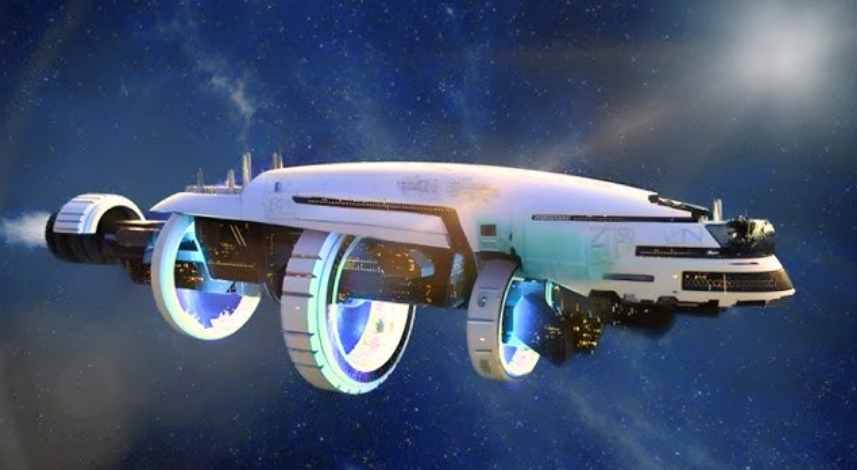
The Future of Space Technology

The future of space technology is characterized by significant advancements in reusable rocket systems and artificial intelligence. Reusable rockets promise to reduce launch costs, making space more accessible. Meanwhile, AI enhances mission planning and real-time decision-making, facilitating autonomous exploration. Additionally, international collaborations are increasingly vital for sustainable practices in space. These developments signal a transformative era in space exploration, raising questions about the potential for unprecedented scientific discoveries and commercial opportunities.
Innovations in Reusable Rocket Technology
As the demand for space exploration intensifies, innovations in reusable rocket technology have emerged as a pivotal focus within the aerospace industry.
Rocket reusability significantly contributes to launch cost reduction by allowing multiple flights from a single vehicle. This advancement not only enhances economic viability but also facilitates increased access to space, ultimately enabling broader opportunities for exploration and commercial endeavors beyond Earth’s atmosphere.
See also: The Future of Smart Cities
The Role of Artificial Intelligence in Space Exploration
Advancements in reusable rocket technology set the stage for enhanced applications of artificial intelligence (AI) in space exploration.
Machine learning algorithms enable autonomous systems to analyze vast datasets, optimize mission planning, and enhance navigation capabilities.
These AI-driven solutions facilitate real-time decision-making, reduce human intervention, and improve efficiency in complex environments, ultimately expanding the potential for exploration and discovery beyond Earth’s confines.
International Collaborations for Sustainable Space Presence
While the exploration of space offers unparalleled opportunities for scientific advancement, the need for international collaborations has become increasingly evident in establishing a sustainable presence beyond Earth.
Implementing comprehensive space treaties facilitates cooperative frameworks, enabling nations to engage in satellite sharing. Such partnerships enhance resource utilization, reduce costs, and promote shared responsibilities, ultimately fostering a unified approach to sustainable exploration and habitation in outer space.
Conclusion
As humanity stands on the precipice of a new era in space exploration, the fusion of reusable rocket technology and artificial intelligence illuminates a path toward the cosmos. This convergence not only reduces barriers to entry but also empowers a symphony of collaboration among nations, harmonizing their efforts for a sustainable future among the stars. With each innovative step, the dream of exploring distant worlds transforms from mere aspiration to tangible reality, beckoning us to venture beyond our terrestrial confines.