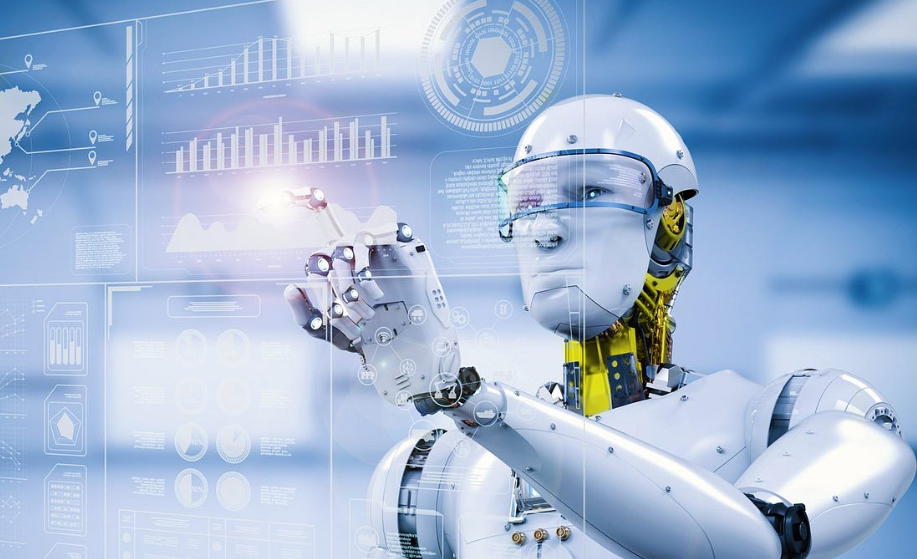
The Future of Technology

The future of technology presents a complex landscape shaped by artificial intelligence, sustainable energy, and biotechnology. Each domain offers transformative potential, yet also raises critical challenges. For instance, as AI automates tasks, the implications for employment and privacy warrant careful consideration. Meanwhile, sustainable energy innovations are vital for addressing climate change. Amid these advancements, biotechnology holds promise for health and agriculture, leading to questions about ethics and societal impact. What remains uncertain is how these elements will converge.
The Rise of Artificial Intelligence
How has the increasing integration of artificial intelligence (AI) transformed various sectors?
The rise of AI, particularly through machine learning, has revolutionized industries by enhancing efficiency and decision-making.
However, this progress is accompanied by significant ethical implications, as the automation of tasks raises concerns about job displacement and privacy.
As society embraces these advancements, a balance must be struck between innovation and ethical responsibility.
See also: The Future of Space Technology
Innovations in Sustainable Energy
The advancements in artificial intelligence have set the stage for significant innovations in sustainable energy, as both fields increasingly intersect to address global challenges.
Solar advancements, driven by AI-optimized efficiency, promise to enhance energy capture and storage.
Meanwhile, improvements in wind energy technology, informed by data analytics, enable more effective resource allocation, fostering a future where sustainable energy becomes a cornerstone of global independence and resilience.
The Impact of Biotechnology on Society
As biotechnology continues to evolve, its influence on society becomes increasingly profound, reshaping various sectors from healthcare to agriculture.
Gene editing technologies promise significant healthcare advancements, enabling the precise treatment of genetic disorders and enhancing disease prevention.
This transformative power raises ethical considerations, inviting society to navigate the balance between innovation and the quest for freedom, ultimately redefining human potential in the modern world.
Conclusion
As humanity stands at the crossroads of technology, the choices made today will shape tomorrow’s landscape. Like a gardener tending to diverse plants, society must cultivate a balanced ecosystem where artificial intelligence, sustainable energy, and biotechnology flourish together. A recent study predicts that AI could create 97 million new jobs by 2025, yet the ethical implications must be nurtured alongside these advancements. In this delicate balance lies the potential for a resilient and equitable future, ripe for innovation.